
Cryptocurrency Jackpots: How Smart Contract Audits and Provably Fair Systems Build Real Trust
December 19, 2025Let’s be honest—the world of online crypto gambling can feel a bit like the Wild West. Flashy promises of life-changing jackpots are everywhere. But behind the glittering interface, a nagging question lingers: “Is this game actually fair, or am I just hoping for the best?”
Well, here’s the deal. The answer isn’t found in fancy marketing. It’s written in code. Two technological pillars have emerged to separate the trustworthy platforms from the risky bets: smart contract audits and provably fair systems. Understanding these isn’t just tech jargon; it’s how you protect your stake and play with confidence.
Smart Contracts: The Automated Casino Dealer
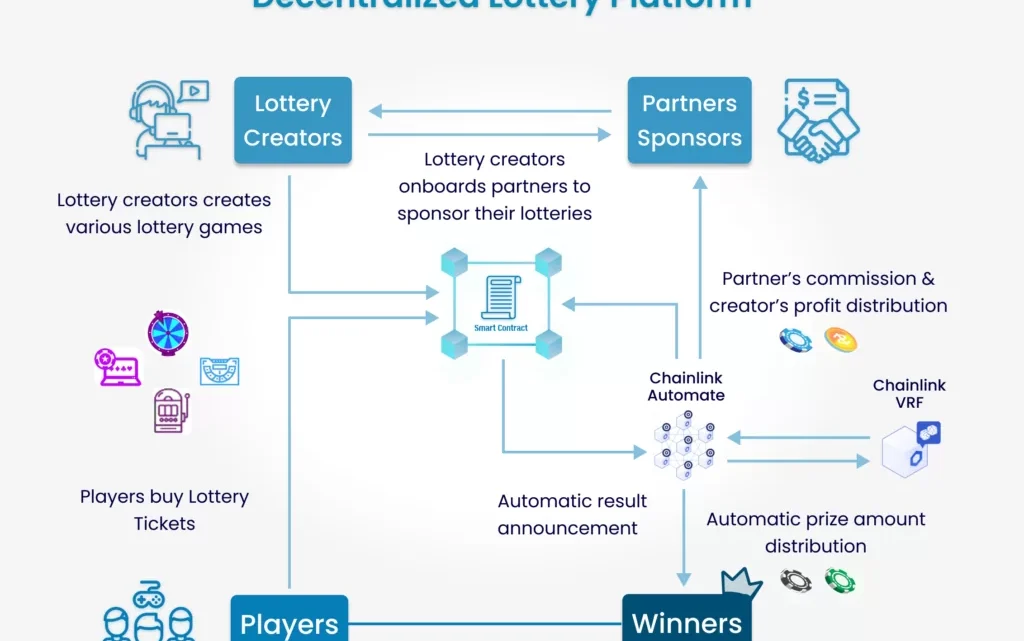
First, a quick analogy. Imagine a vending machine. You insert a coin (your crypto bet), select a snack (initiate a game), and the machine automatically delivers the item (pays out winnings). No human cashier is involved. That’s essentially a smart contract—a self-executing program on the blockchain that runs exactly as written.
In crypto casinos, these contracts power everything from simple dice rolls to massive, interconnected progressive jackpots. The beauty? The rules are transparent and immutable once deployed. The potential pitfall? Any bug or loophole in that code is also immutable… and exploitable. That’s where the audit comes in.
What a Smart Contract Audit Really Does
Think of an audit as a brutal, line-by-line code review by expert white-hat hackers. Their job isn’t to say “it works.” It’s to try and break it. They look for vulnerabilities that could lead to disaster:
- Reentrancy Attacks: Where a malicious contract can call back into the original contract before the first transaction finishes, draining funds like siphoning gas from a tank.
- Logic Errors: Flaws in the game’s mathematical fairness or payout calculations. A misplaced decimal point can be catastrophic.
- Random Number Generator (RNG) Manipulation: If the source of randomness isn’t secure, the house—or an attacker—could predict outcomes.
- Access Control Issues: Making sure only authorized functions can, say, trigger a jackpot or adjust the house edge.
The “Provably Fair” Algorithm: Your Personal Proof Machine
Okay, so the platform’s code is audited and secure. But how do you, the player, know each individual spin or card deal wasn’t rigged against you after you placed your bet? Enter the killer feature of crypto gambling: provably fair technology.
It’s a cryptographic system that lets you verify the fairness of each game round yourself. Honestly, it’s genius in its simplicity. Here’s a basic breakdown of how it usually works:
- Seeding: Before your game, the server generates a secret random seed and a public hash of that seed. You provide your own client seed (or one is generated for you).
- The Commitment: That public hash is published. This is the platform’s “commitment” to its random number. Because of cryptography’s one-way nature, you can’t reverse the hash to find the secret.
- The Reveal: After you play, the platform reveals its original secret seed. You can now combine it with your client seed and the nonce (round number) to generate the game result.
- The Verification: Using a simple tool (often right on the site), you input the seeds to reproduce the result. If it matches, the game was fair. If not, you have cryptographic proof of foul play.
It shifts the power dynamic. You’re not trusting a claim; you’re verifying a mathematical proof. It’s like being able to rewind a live sports play with a perfect camera angle to check the referee’s call.
Audits + Provably Fair: A Layered Defense for Players
These two concepts work in tandem. An audit ensures the system holding your funds and executing the provably fair logic is robust. The provably fair algorithm ensures each output of that system is verifiably random. One without the other leaves a gap.
| Feature | Smart Contract Audit | Provably Fair System |
| Primary Focus | Security & integrity of the underlying code. | Transparency & verifiability of each game result. |
| Conducted By | Third-party cybersecurity firms (e.g., CertiK, Hacken). | The player (with tools provided by the platform). |
| Frequency | Periodic, often before launch and after major updates. | Every single game round. |
| What It Protects | From catastrophic hacks and fund loss. | From manipulated odds and unfair outcomes. |
Look, a platform shouting “PROVABLY FAIR!” but with no audit history is a red flag. Their verification tool could be front-end theater, masking a broken backend. Conversely, an audited platform that doesn’t offer provable fairness is like a secure bank vault—your money is safe, but you have no insight into how the games inside are run.
The Human Element in a Trustless System
This is the ironic part. “Trustless” technology requires a new kind of due diligence. You know, human stuff. Before chasing that crypto jackpot, make it a habit to:
- Check the audit report. Don’t just look for a badge. Who was the auditor? Read the public report. Were issues found? Were they fixed? A clean, final report from a reputable firm is key.
- Test the provably fair tool. Play a few free games and actually verify the results. It takes a minute and proves the system is operational, not just theoretical.
- Understand the limits. An audit is a snapshot in time. New vulnerabilities are discovered. Provably fair often applies to core RNG, not necessarily to every aspect of a complex card game shuffle. Ask questions.
The landscape is maturing. The pain point of sheer distrust is being chipped away by these verifiable standards. That said, the onus is still on us to look past the hype and check the plumbing.
In the end, cryptocurrency’s promise for gambling isn’t just about anonymous bets. It’s about a verifiable, transparent fairness mechanism that traditional online casinos could never offer. The jackpot isn’t just the prize money—it’s the confidence that the game isn’t rigged. And that, honestly, might be the most valuable win of all.


